
Date:

Roman coins and brooches unearthed at Blackfriars in Leicester

Wardell Armstrong Archaeology’s excavation at Blackfriars has revealed its most interesting artefacts at the closing stages of the project – including a number of Roman coins and Roman and medieval brooches.

They were discovered in the remains of a Roman villa and a number of Iron Age and medieval features on the site in the city of Leicester in the East Midlands area of the UK.
- Advertisement -
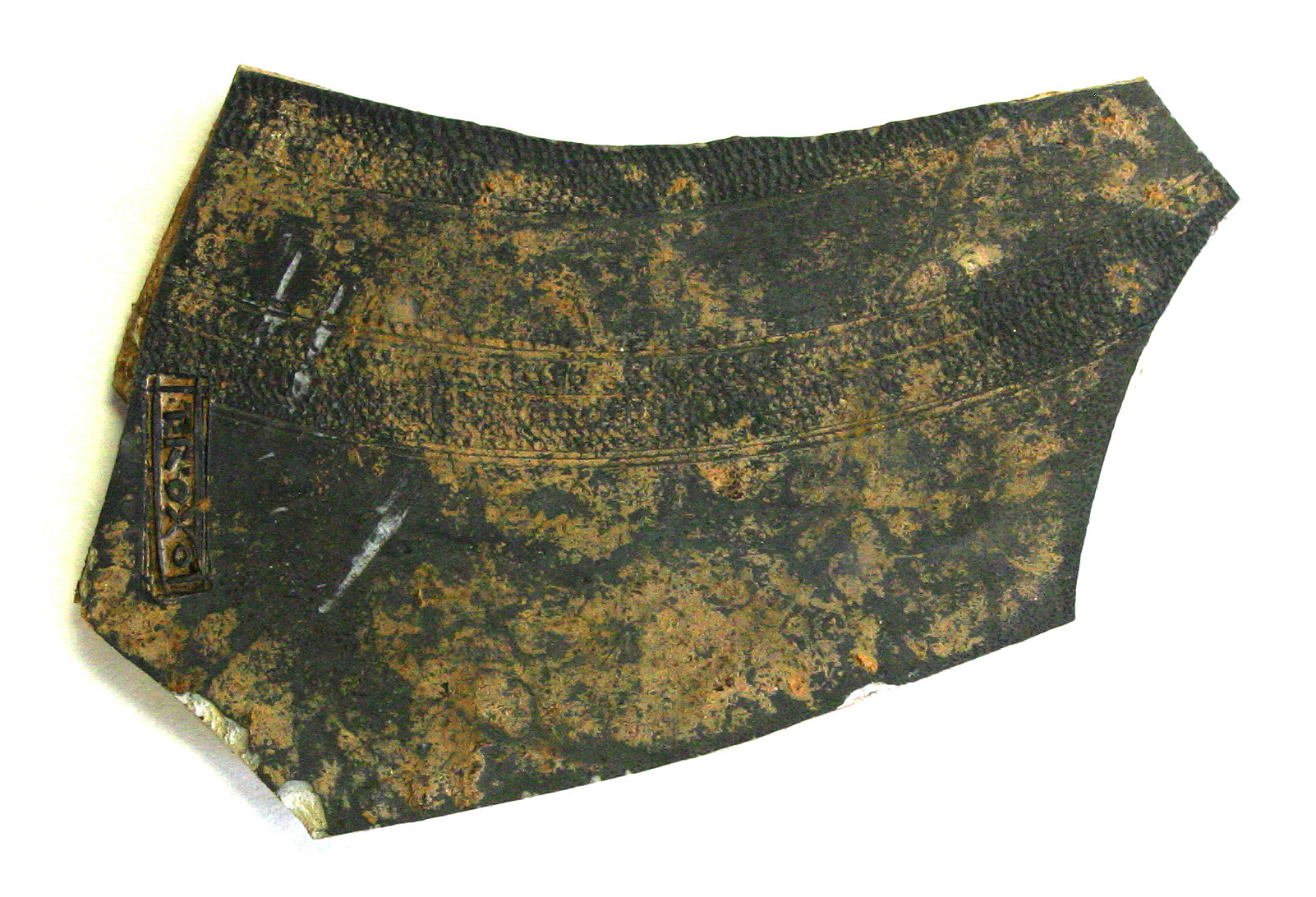
Decorated Roman pottery with makers mark from Blackfriars - Credit : Wardell Armstrong Archaeology
Decorated Roman pottery with makers mark from Blackfriars – Credit : Wardell Armstrong Archaeology
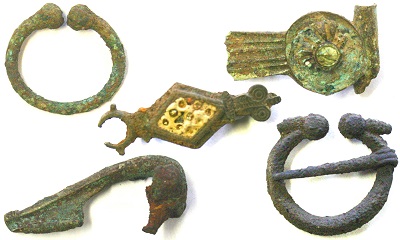
Roman and medieval brooches from Leicester - Credit : Wardell Armstrong Archaeology
Roman and medieval brooches from Leicester – Credit : Wardell Armstrong Archaeology

The recently discovered coins are mostly copper alloy and are of Roman origin. Further analysis is ongoing and will reveal more about them. The dig has also revealed a number of Roman period copper alloy and enamelled brooches.

Multiple Iron Age pits have been excavated producing late Iron Age and early Romano-British pottery, much of which is of very high quality.

A number of Iron Age coin moulds – into which slugs of valuable metal were poured as part of the process of making coins – have now been discovered, revealing that there was a person in the settlement with the authority and status to order coins to be made.

Leicester City Council’s planning department archaeologist Chris Wardle said

- Advertisement -

“It had been realised for some time that Leicester began to emerge as an important tribal centre before the arrival of the legions in the mid-1st century AD. The findings on the site add considerably to this picture.

“The density of Iron Age related remains – pits (for waste and/or storage), ditches and traces of roundhouses – shows that there was something special about the Iron Age settlement on the east bank of the River Soar in the 1st century BC.”
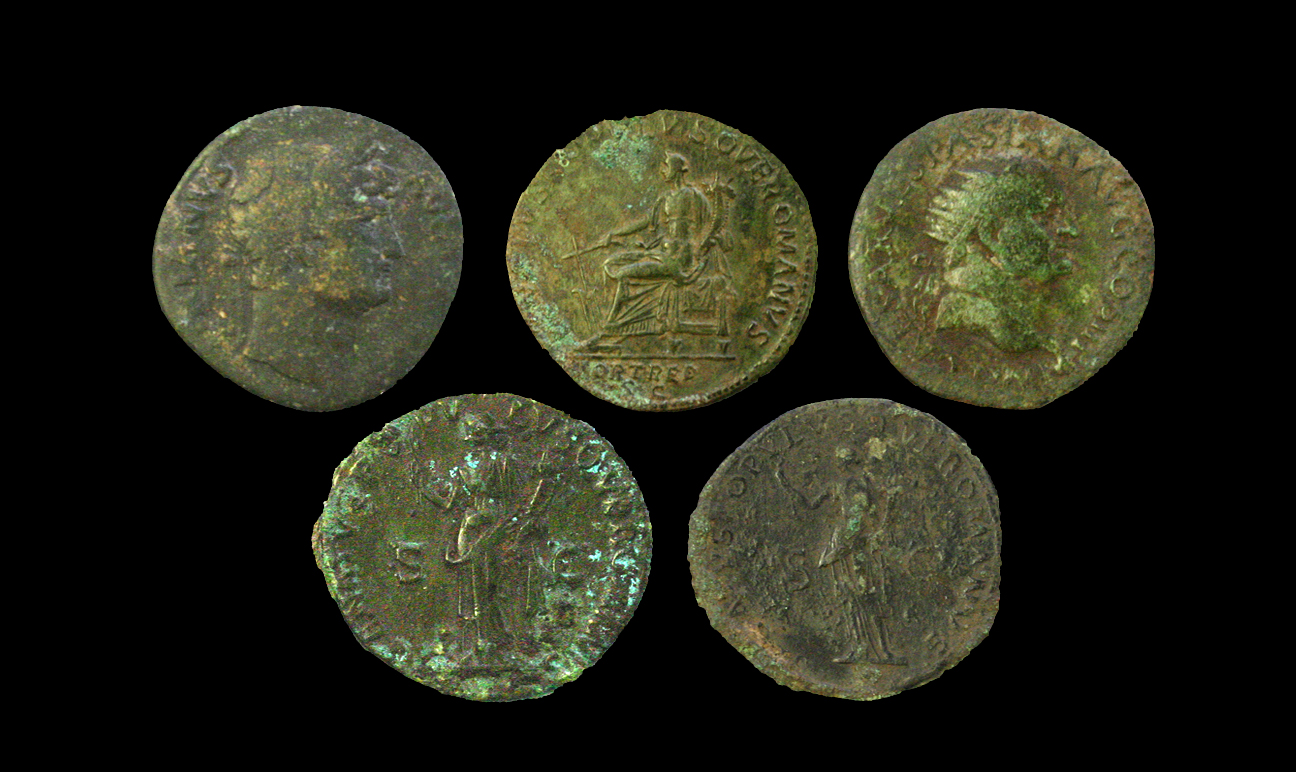
Roman coins from Blackfriars in Leicester - Credit : Wardell Armstrong Archaeology
Roman coins from Blackfriars in Leicester – Credit : Wardell Armstrong Archaeology

The archaeological investigation, reporting, cataloguing and safeguarding of artefacts at Blackfriars has been enabled by developers Watkin Jones, prior to the proposed construction of student accommodation at the site.

YouTube video

Wardell Armstrong Archaeology and Watkin Jones are providing regular updates for members of the public and other interested parties on a specially commissioned blog and video about the dig, which can be seen online at : wa-archaeology.com/category/blackfriars

Blackfriars – the City Archaeologist’s view – Click Here

Wardell Armstrong Archaeology


- Advertisement -

Stay Updated: Follow us on iOS, Android, Google News, Facebook, Instagram, Twitter, Threads, TikTok, LinkedIn, and our newsletter

spot_img
Mark Milligan
Mark Milligan
Mark Milligan is a multi-award-winning journalist and the Managing Editor at HeritageDaily. His background is in archaeology and computer science, having written over 8,000 articles across several online publications. Mark is a member of the Association of British Science Writers (ABSW), the World Federation of Science Journalists, and in 2023 was the recipient of the British Citizen Award for Education, the BCA Medal of Honour, and the UK Prime Minister's Points of Light Award.
spot_img
spot_img

Mobile Application

spot_img

Related Articles

Structure for observing celestial movements predates the Chankillo observatory

The Peruvian Ministry of Culture has announced the discovery of an early Andean structure that predates the Chankillo solar observatory – long regarded as the earliest known observatory in the Americas.

2,300-year-old fortified city discovered in Kashkadarya

Archaeologists from the Samarkand Institute in Kashkadarya, southern Uzbekistan, have announced a major discovery: the remains of a fortified city dating back 2,300 years.

Jewel “worthy of a duke” unearthed at Castle Kolno

Researchers from the Institute of Archaeology at the University of Wroclaw have unearthed a jewel “worthy of a duke” at Castle Kolno, located between the Stobrawa and Budkowiczanka rivers in Stare Kolnie, Poland.

Preserved 3rd century mosaic excavated in Iznik

Excavations in the İznik district of northwestern Türkiye have uncovered a preserved mosaic floor dating from the 3rd century AD.

Time capsule of medieval artefacts unearthed in Łasztownia excavation

Archaeologists have unearthed a time capsule of medieval artefacts on the island of Łasztownia in Szczecin, Poland.

Mask reliefs unearthed during Castabala excavations

Archaeologists have unearthed a new series of mask reliefs during excavations in the ancient city of Castabala, Turkey.

Bronze Age proto-city discovered on the Kazakh Steppe

Archaeologists have discovered a late Bronze-Age proto-city on the Kazakh Steppe in north-eastern Kazakhstan.

Altamura Man resolves long-standing debate over Neanderthal evolution

A preserved Neanderthal fossil is providing new insights into how this ancient human species adapted to the cold climates of Ice Age Europe.