
An Exciting New Hoard of Ancient Roman Writing Tablets Unearthed at Vindolanda.
On the afternoon of Thursday the 22nd of June, at the Roman fort of Vindolanda in Northumberland, archaeologists made one of their most important discoveries since 1992. A new hoard of around 25 Roman ink documents, known as the Vindolanda writing tablets (letters, lists and personal correspondence), were discovered lying in the damp and anaerobic earth where they had been discarded towards the end of the 1st century AD.
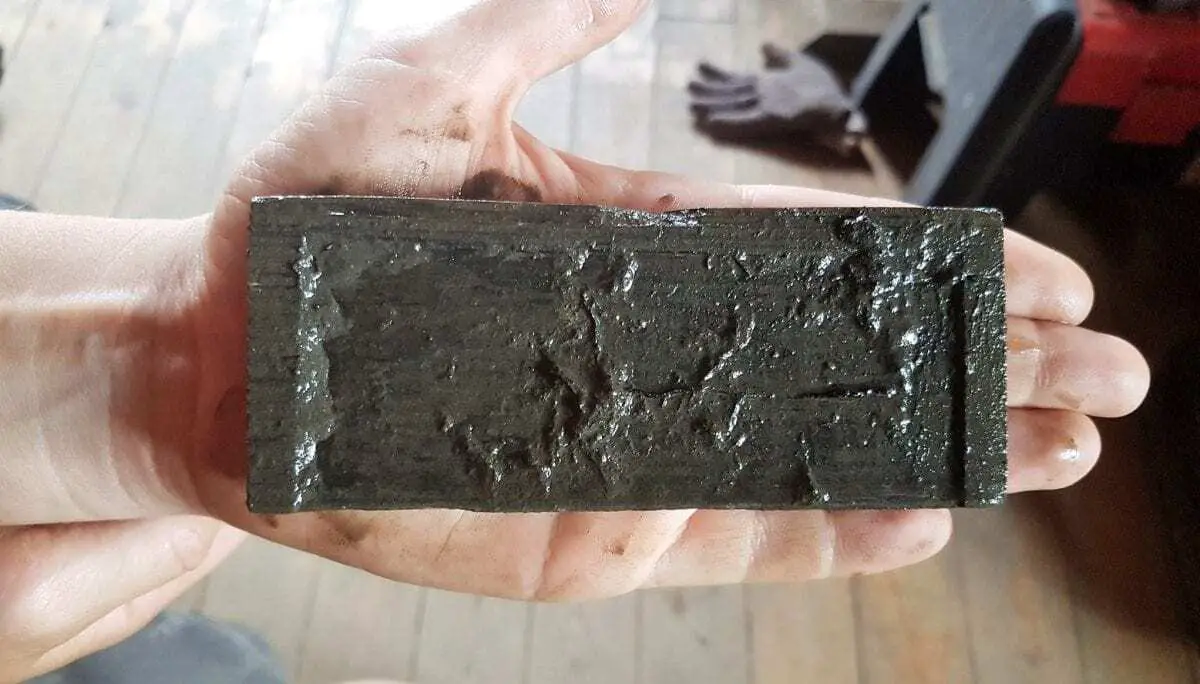
These incredibly rare and fragile wafer-thin pieces of wood are often less than 2mm in thickness and about the size of modern day postcards. The documents were uncovered during the research excavation of a small area of the site (three metres in length) and are likely to represent a part of an archive from a specific period.
As the archaeological team, carefully and painstakingly extracted the delicate pieces of wood from the earth they were delighted to see some of the letters were complete and others had partial or whole confronting pages. The confronting tablets, where the pages are protected by the back of the adjoining pages, are the most exceptional discoveries as they provide the greatest chance of the ink writing being preserved.

Chesterholm Museum
Dr Andrew Birley, CEO of the Vindolanda Trust and Director of Excavations spoke about the day the tablets were recovered “What an incredible day, truly exceptional. You can never take these things for granted as the anaerobic conditions needed for their survival are very precise.
I was fortunate enough to be involved when my father, Dr Robin Birley, excavated a bonfire site of Vindolanda tablets in 1992 and I had hoped, but never truly expected, that the day might come when we would find another hoard of such well preserved documents again during a day on our excavations.
I am sure that the archaeological staff, students and volunteers who took part on this excavation will always remember the incredible excitement as the first document was recognised in the trench and carefully lifted out. It was half a confronting tablet, two pages stuck together with the tell-tale tie holes and V notches at the top of the pages. The crowd of visitors who gathered at the edge of the excavation fences were also fascinated to see tablet after tablet being liberated from a deep trench several metres down”.

Dr Robin Birley who also made tablet discoveries at Vindolanda in 1970’s and 1980’s commented “some of these new tablets are so well preserved that they can be read without the usual infrared photography and before going through the long conservation process. There is nothing more exciting than reading these personal messages from the distant past”.
A few names in these texts have already be deciphered, including that of a man called Masclus who is best known via a previous letter to his Commanding Officer asking for more beer to be supplied to his outpost. In one of the newly discovered letters he seems to have been applying for leave (commeatus). Other characters and authors of the letters may already be known thanks to previous Vindolanda tablets from the site, and new names will emerge to take their places in the history of Roman Britain, propelled as they now are from total obscurity to sending a direct written message to us about who they were and what they were doing and thinking almost 2000 years ago. This latest discovery is the highlight of an extraordinary excavation season at Vindolanda.
The tablets are now undergoing painstaking conservation and infrared photography so that the full extent of their text can be revealed. It is quite possible that some of the new information will transform our understanding of Vindolanda and Roman Britain and we along with other archaeologists, Latin scholars, Roman experts and interested public alike will have to wait with baited breath for the full expert translation of the tablets to begin in earnest as they complete their conservation process.
The Vindolanda Trust
The Vindolanda Trust is an independent archaeological charitable trust, founded in 1970. The Vindolanda Trust does not receive any annual funding and relies on the visitors to both Roman Vindolanda and the Roman Army Museum to fund its archaeological, conservation and education work.
The Vindolanda Tablets
The first Vindolanda tablets were discovered in 1973 by Robin Birley who was a co-founder of the Vindolanda Trust and its former Director and Director of Excavations. These documents are the very personal accounts, lists and letters of the people of Vindolanda, most of them written before the construction of Hadrian’s Wall started in the AD 120’s. They form the most important archive of Roman writing from north-western Europe and have revolutionised knowledge of life on the Roman frontier. They give wonderful details which cannot come to use from any other archaeological source. In 2003 experts from the British Museum named the Vindolanda Tablets as the Top Archaeological Treasure to come from Britain.
The Vindolanda Tablet collection is held at the British Museum in London. Nine of the tablets are currently on loan to Vindolanda and are on display in a specifically designed vaulted gallery in the museum.




