
Date:

Kerma – The Ancient African Kingdom

Kerma, also called Karmah is an archaeological site and the former capital of the ancient Kerma Kingdom, located in the Dongola Reach above the Third Cataract of the River Nile in present-day Sudan.

- Advertisement -

The Kingdom of Kerma was an indigenous Nilotic culture that emerged around the mid-third millennium BC, most likely from the C-Group culture in the southern part of Upper Nubia. At its peak, the kingdom controlled several Cataracts of the Nile, covering territory almost as extensive as that of its Egyptian neighbours.

When Kerma was first excavated in the 1920s, archaeologists believed that it originally served as the base for, or was a fort of an Egyptian governor, and that these Egyptian rulers evolved into the independent monarchs of Kerma.

However, archaeologists now believe that Kerma was most likely one of the earliest African kingdoms (identified in the Egyptian texts from the Middle Kingdom with the name of Kush), that rose to prominence due to the strategic position on several caravan routes linking with Egypt, the Red Sea, the Horn of Africa, and sub-Saharan Africa.
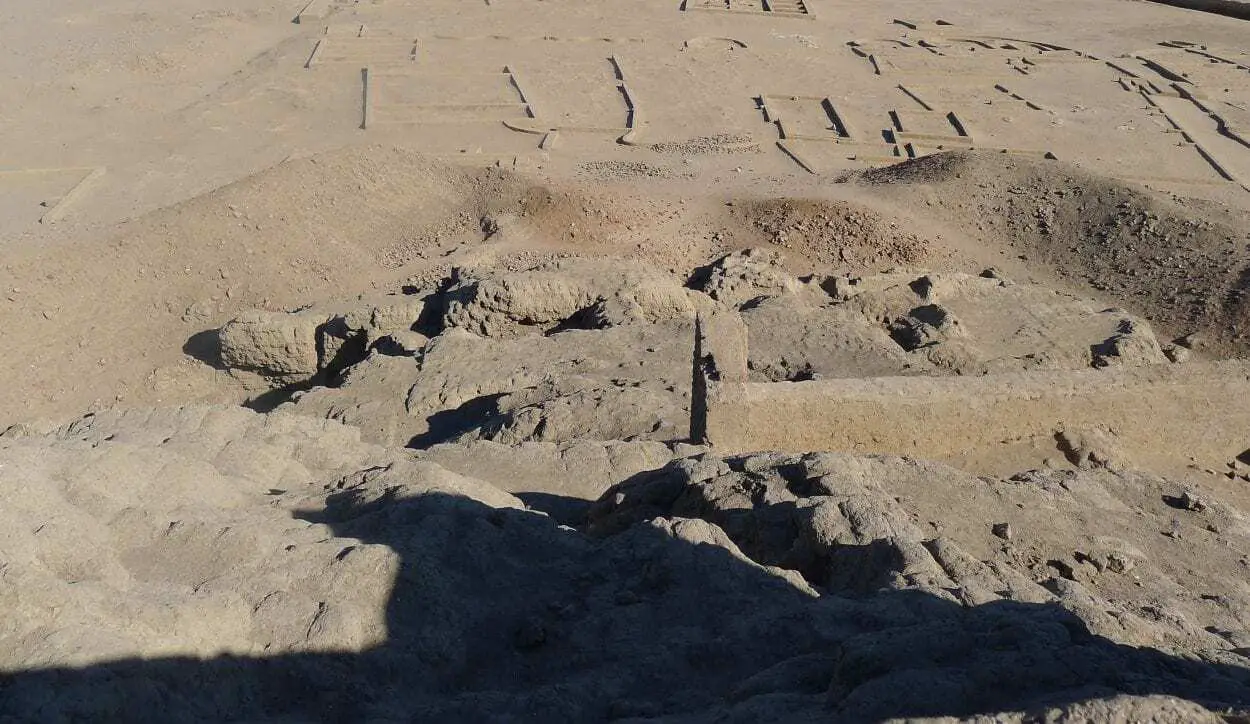
Image Credit : Jac Strijbos8 – CC BY-SA 3.0

Kerma culture has been identified with four distinct phases that span from the end of the Old Kingdom to the transitional phase between the Second Intermediate Period and the New Kingdom, based on the burial rites, morphology of the tombs, and the typology of ceramics that define: Kerma Ancien (2400-2050 BC), Kerma Moyen (2050-1750 BC), Kerma Classique (1750-1500 BC) and Kerma Recent (1500-1450 BC).

- Advertisement -

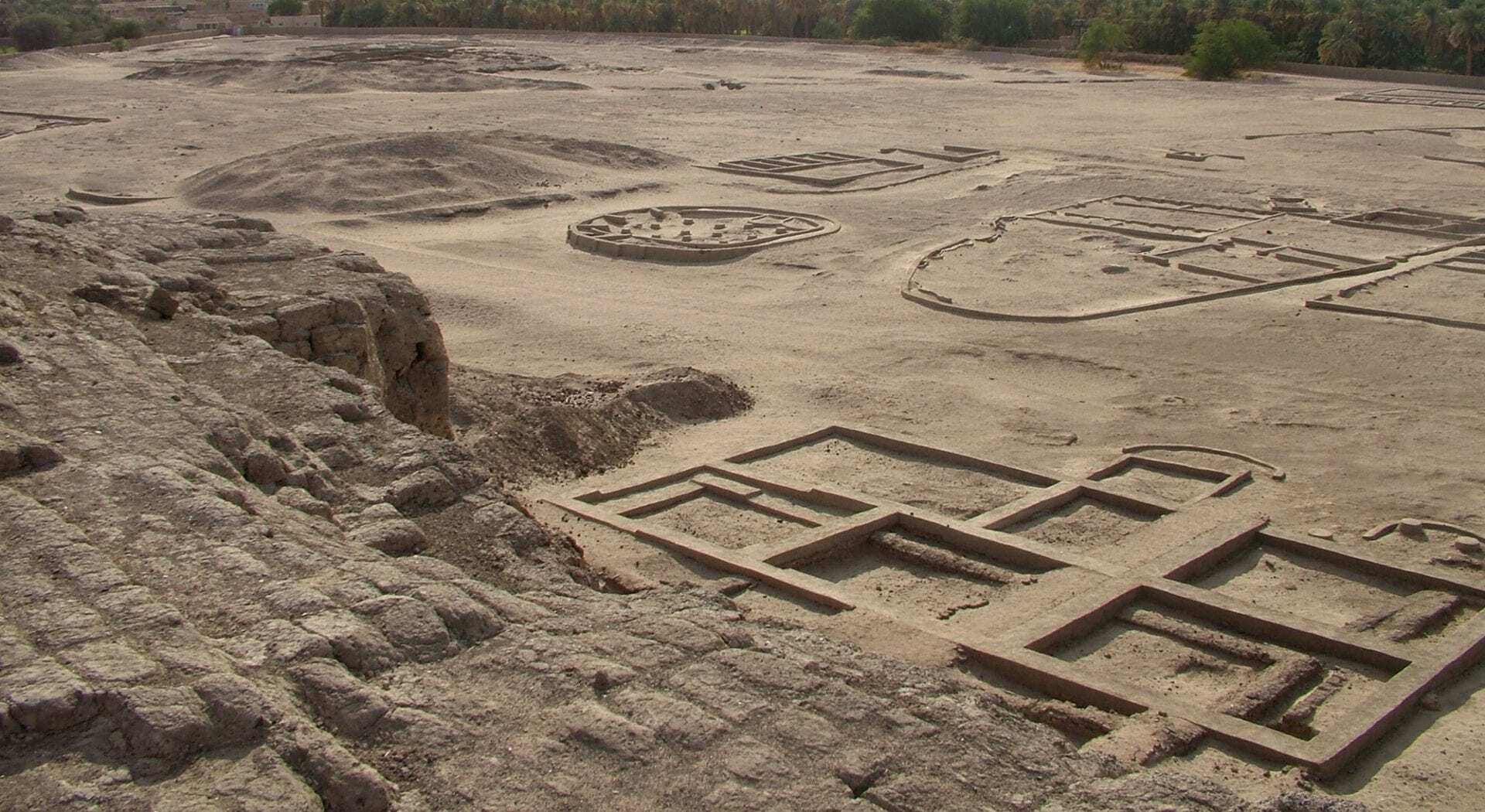
The kingdom was centred on Kerma, a large walled metropolis that reached a population of around 10,000 inhabitants at its zenith (although some sources cite 2,000). The city consisted of a system of planned roads that connected the residential areas, a necropolis, and a religious quarter to a large adobe structure called a Deffufa.

During the reign of Pharaoh Thutmose I of the 18th Dynasty of Egypt, the Egyptians annexed Nubia around 1504 BC and destroyed the city of Kerma. The Egyptians placed a Viceroy of Kush, or ‘King’s Son of Kush’ to maintain order over the former Kerma territories, establishing a new settlement north of Kerma which is today known as Dokki Gel (meaning “red mound”).

The Egyptians continued to rule the region, until the Kingdom of Kush emerged, possibly from Kerma after the disintegration of the New Kingdom of Egypt, during a period known as the Bronze Age Collapse.

Header Image Credit : Lassi – CC BY-SA 4.0

- Advertisement -

Stay Updated: Follow us on iOS, Android, Google News, Facebook, Instagram, Twitter, Threads, TikTok, LinkedIn, and our newsletter

spot_img
Mark Milligan
Mark Milligan
Mark Milligan is a multi-award-winning journalist and the Managing Editor at HeritageDaily. His background is in archaeology and computer science, having written over 8,000 articles across several online publications. Mark is a member of the Association of British Science Writers (ABSW), the World Federation of Science Journalists, and in 2023 was the recipient of the British Citizen Award for Education, the BCA Medal of Honour, and the UK Prime Minister's Points of Light Award.
spot_img
spot_img

Mobile Application

spot_img

Related Articles

Ancient Italian necropolis reveals children buried with warrior belts

Unusual burials of children with bronze warrior belts have been discovered in a necropolis near the town of Pontecagnano Faiano, outside Salerno in southwestern Italy.

Roman fortlet from the Antonine Wall discovered beneath residential gardens

Archaeologists have uncovered the remains of a previously unknown Roman fortlet beneath the back gardens of residential properties in Bearsden, England, shedding new light on the defensive network of the Antonine Wall.

Maya ceremonial platform discovered in Yaxché de Peón

The discovery forms part of the Archaeological Salvage Project for the Mérida–Progreso Multimodal Railway Bypass (Front 1) linked to the Maya Train in Yaxché de Peón, Mexico.

Archaeologists reveal new findings into the death of Princess Ulyania

Archaeologists in Russia have uncovered new evidence about the burial of Princess Ulyania of Uglich, challenging a long-standing historical claim that she died violently during the reign of Tsar Ivan IV, widely known as Ivan the Terrible.

Medieval papal seal discovered at deserted Harz Village

A remarkable archaeological discovery in the Harz Mountains has shed new light on the wide-ranging networks of the medieval papacy.

Archaeologists discover 3,000 new Ostraca at Athribis

Archaeologists working in Upper Egypt have uncovered around 3,000 ostraca pottery fragments during the current excavation season at the Athribis (Atreps) archaeological site in Sohag province.

Ancient Roman rite revealed by nail found in chest of Roman burial

Archaeologists excavating a newly uncovered section of Rome’s Ostiense Necropolis have discovered evidence of a mysterious funerary ritual: iron nails deliberately placed on the chests of the deceased. The unusual find offers new insight into ancient Roman beliefs about death and the fear of restless spirits.

Lost Page from Archimedes Manuscript rediscovered in France

A page long believed to be missing from the famed Archimedes Palimpsest has been rediscovered at the Musée des Beaux-Arts in Blois, France, offering scholars new opportunities to study one of antiquity’s most important mathematical manuscripts.