
Sharks, swamps and a tropical rainforest bursting with life – this isn’t exactly what comes to mind when you think of Yorkshire. But for the first time evidence of Doncaster’s 310-million-year-old past, including a fossilised shark egg case has been discovered in a derelict mining tip.
Some of the fossilised plants and creatures may even be new to science, and as well as the egg case, several horseshoe crabs and some previously unrecorded seed pods are amongst the wealth of discoveries. They had all been preserved in rocks that formed within the coal and shale deposits in what is one of only a small handful of similar fossil locations left in the UK. The findings have been published in the international journal, Geological Journal.
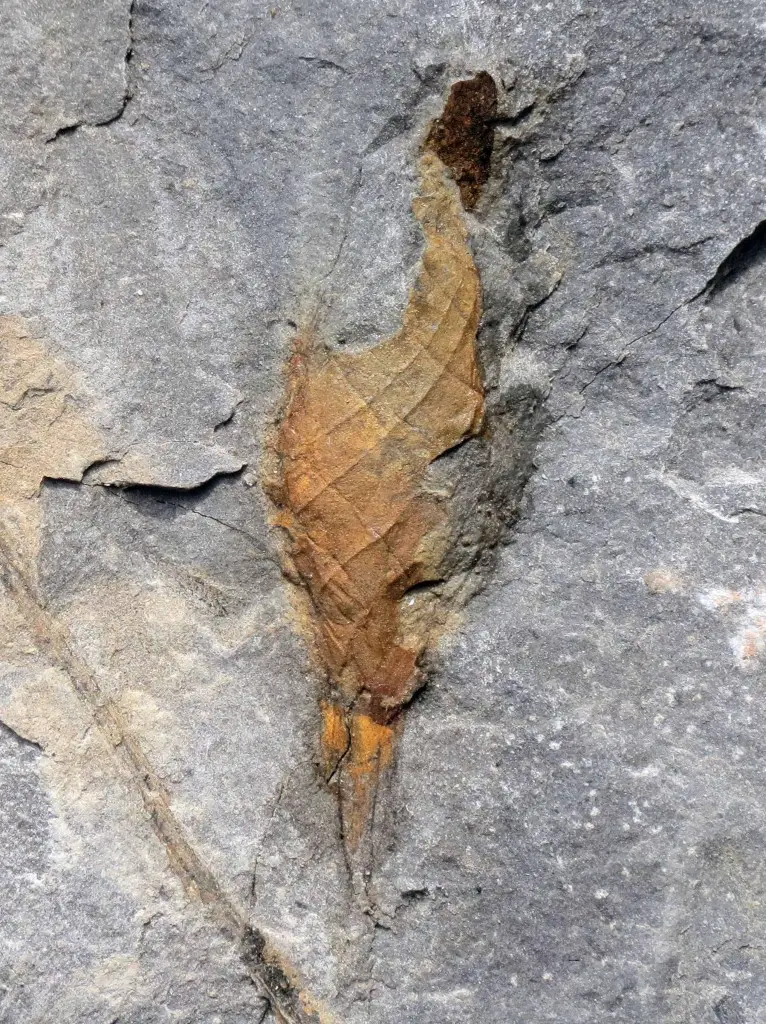
Palaeontologist Dean Lomax, a visiting scientist at the University of Manchester’s School of Earth, Atmospheric and Environmental Sciences, said: “The fossils unlock a window into a long distant past, buried deep beneath resident’s feet. They are proof that parts of Yorkshire were once a tropical water-logged forest, teeming with life that may have resembled something similar to today’s Amazon delta, a mixture of dense forest, lakes, swamps and lagoons.
“The shark egg case is particularly rare and significant, because it’s soft bodied and an unusual object to find fossilised. We hope that future organised collecting of the site may reveal further rare discoveries, such as dragonflies, beetles, spiders and further evidence of vertebrates. And who knows, maybe we will even find the actual shark.”
After visits to all the redundant pit tips by Lomax, along with Peter Robinson from Doncaster Heritage Services and local fossil collector Brian Williams, Edlington was identified as being the only tip in the borough where fossils could potentially still be collected, as all of the others have been landscaped and turned into parks.
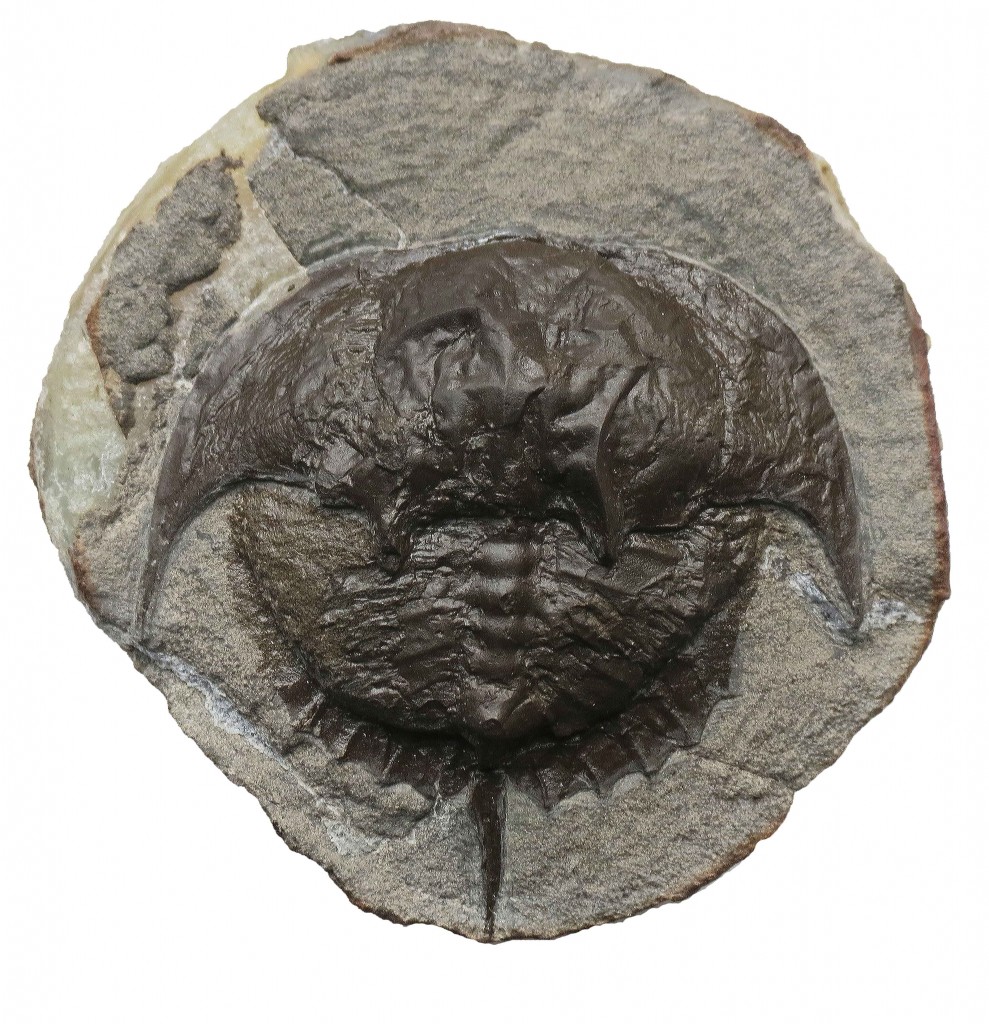
Peter Robinson said: “For all three of us at this site and the fossils we’ve discovered here are very close to our hearts. We are all locally born and bred and take great pride in uncovering, interpreting and preserving a very important piece of the borough’s geological past. For me this site is particularly special as my father, Michael Robinson, was the National Coal Board’s geologist for Yorkshire Main and it is his bone core samples and records which are helping us understand the geological layers that these fossils came from”.
“We hope this important discovery will encourage ex-miners from the borough to bring forward and donate fossil specimens from the now defunct collieries, which were collecting whilst extracting coal from the pit face. We have heard many stories of some of the wonderful fossils that have been found.”
These fossils are being stored at Doncaster Museum where they have been integrated into the museum’s fossil collection.
Contributing Source: Manchester University
Header Image Source: WikiPedia